

Blog
The Truth About Maida: Is It Really Bad for Health?

The Truth About Maida: Is It Really Bad for Health?
Walk into any health discussion today and you’ll almost certainly hear someone say, “Avoid maida, it’s unhealthy.”
From social media posts to fitness influencers and health-conscious families, maida has developed a reputation as one of the most criticized ingredients in modern diets. Many people blame it for weight gain, diabetes, poor digestion, and numerous other health problems.
But is maida really as harmful as it’s often made out to be?
Or is the truth more complicated?
Let’s separate facts from myths and understand what maida actually is, how it affects our health, and whether it deserves its bad reputation.
What Exactly Is Maida?
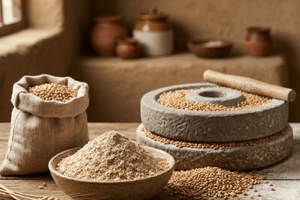
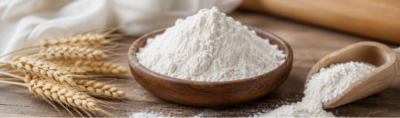
Maida, also known as refined wheat flour, is made from wheat grains.
During processing, the bran and germ layers are removed, leaving only the starchy endosperm. This creates a fine, white flour with a smooth texture that is commonly used in:
- Bread
- Cakes
- Cookies
- Biscuits
- Pastries
- Pizza bases
- Noodles
- Bakery products
The refining process improves texture and shelf life but removes a significant portion of the fiber, vitamins, and minerals naturally present in whole wheat.
Why Does Maida Get a Bad Reputation?
There are several reasons why maida is often criticized.
1. Lower Fiber Content
Because the bran is removed during processing, maida contains much less fiber than whole wheat flour.
Fiber helps:
- Improve digestion
- Promote fullness
- Support gut health
- Slow down blood sugar spikes
As a result, foods made entirely with maida are often less filling than those made with whole grains.
2. Faster Digestion
Refined flour is digested more quickly by the body compared to whole grains.
This can lead to:
- Faster increases in blood sugar
- Shorter-lasting satiety
- Increased hunger shortly after eating
However, the effect depends greatly on the overall meal and portion size.
3. It’s Often Found in Ultra-Processed Foods
One of the biggest misconceptions is that maida itself is the problem.
In reality, many foods containing maida are also high in:
- Sugar
- Trans fats
- Excess calories
- Artificial ingredients
For example:
- Cream-filled biscuits
- Packaged cakes
- Deep-fried snacks
- Fast food
Often, it’s the combination of ingredients—not just the maida—that contributes to poor nutritional quality.
Is Maida Actually Harmful?
The honest answer is:
Not necessarily.
Maida is not poisonous, toxic, or inherently unhealthy.
The issue lies in:
- Quantity consumed
- Frequency of consumption
- Overall dietary habits
Eating a slice of cake occasionally or enjoying homemade bread does not automatically make a diet unhealthy.
Problems arise when highly refined foods become a major part of daily eating habits.
Homemade vs Packaged Products
There is a significant difference between:
Homemade Baked Goods
Made with:
- Quality ingredients
- Controlled sugar levels
- Fresh fats
- No preservatives
and
Commercial Packaged Products
Often containing:
- Excess sugar
- Artificial flavors
- Preservatives
- Hydrogenated fats
A homemade cookie made with moderate amounts of maida can be a far better choice than a heavily processed packaged snack.
Is Whole Wheat Flour Always Better?
Whole wheat flour generally contains:
✔ More fiber
✔ More nutrients
✔ Better satiety
However, that doesn’t automatically mean every recipe should use 100% whole wheat flour.
Certain baked goods require:
- Soft texture
- Delicate crumb
- Better structure
For example:
- Sponge cakes
- Puff pastries
- Certain cookies
- Artisan breads
In these cases, a combination of flours often provides the best balance between nutrition and quality.
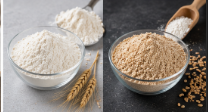
What About Millet Flours?
Millets have gained popularity for good reason.
They are naturally rich in nutrients and often provide:
- More fiber
- Better mineral content
- Greater variety in the diet
Popular millet flours include:
- Jowar
- Bajra
- Ragi
- Foxtail millet
- Little millet
Millets can be excellent alternatives or additions to traditional flours.
However, they also require different techniques because they behave differently during baking.
The Healthiest Approach: Balance
Nutrition is rarely about labeling foods as “good” or “bad.”
A balanced approach often works best.
Instead of completely eliminating maida, consider:
- Reducing dependence on highly processed foods
- Including more whole grains
- Using millet flours occasionally
- Increasing fiber intake
- Making more homemade baked goods
Healthy eating is about overall dietary patterns rather than focusing on a single ingredient.
How Professional Bakers Use Maida
Many professional bakers don’t view maida as the enemy.
Instead, they understand how to use it intelligently.
Depending on the recipe, they may combine:
- Maida
- Whole wheat flour
- Oats
- Millet flours
- Nut flours
This allows them to create products that balance:
- Taste
- Texture
- Nutrition
- Structure
The goal is not perfection but practicality and enjoyment.
Learn Healthy Baking with Khushboo Cooking Classes
At Khushboo Cooking Classes, Gurgaon, we believe healthy baking is about making informed choices rather than following food myths.
Our workshops help students understand:
✔ When to use maida
✔ When to use whole wheat flour
✔ How to bake with millets
✔ Gluten-free baking techniques
✔ Healthier tea-time snacks
✔ Eggless baking methods
We teach practical recipes that balance nutrition, taste, and professional baking techniques.
Popular workshops include:
- Unjunk Tea-Time Biscuits Workshop
- Gluten-Free Millet Cookies Workshop
- Eggless Cake Bases Masterclass
- Complete Bread Baking Masterclass
Whether you’re baking for your family or starting a baking business, understanding ingredients is the key to successful baking.
Healthy Baking Classes in Gurgaon
As more people become interested in healthier lifestyles, there is growing demand for baking classes that focus on ingredient awareness, healthier alternatives, and balanced recipes.
At Khushboo Cooking Classes in Sector 50, Gurgaon, students learn how different flours affect taste, texture, nutrition, and baking performance through hands-on practical sessions.
Our workshops are suitable for beginners, home bakers, and aspiring entrepreneurs.
Frequently Asked Questions
Is maida bad for health?
Maida is not inherently unhealthy. The issue often comes from excessive consumption of highly processed foods made with maida rather than the flour itself.
Is atta healthier than maida?
Whole wheat flour generally contains more fiber and nutrients, making it a more nutritious option for many people.
Can I bake cakes without maida?
Yes. Cakes can be made using whole wheat flour, millet flours, almond flour, or combinations of different flours depending on the recipe.
Are millet cookies healthier?
Millet cookies often contain more fiber and nutrients compared to traditional cookies made entirely with refined flour.
Where can I learn healthy baking in Gurgaon?
Khushboo Cooking Classes offers hands-on workshops covering healthy baking, millet-based baking, eggless baking, breads, cookies, and cakes in Gurgaon.
Final Thoughts
The truth about maida is that it isn’t the villain it’s often portrayed to be.
While whole grains and millets certainly offer additional nutritional benefits, enjoying foods made with maida in moderation as part of a balanced diet is perfectly reasonable.
Rather than fearing a single ingredient, focus on the bigger picture: eating more homemade food, choosing quality ingredients, maintaining variety, and developing a healthier relationship with food.
When it comes to baking, knowledge and balance will always be more valuable than myths.
About Khushboo Cooking Classes
Khushboo Cooking Classes is a leading cooking and baking institute in Gurgaon offering hands-on workshops in healthy baking, eggless baking, millet-based baking, breads, cookies, cakes, chocolates, and international cuisines.
Sector 50, Gurgaon
Hands-On Learning
Healthy & Professional Baking Workshops
Contact us at 9999107475 to learn more about upcoming classes and workshops.