

Blog
Healthy Eating Starts with Millets: Benefits, Recipes and How to Cook Them Right

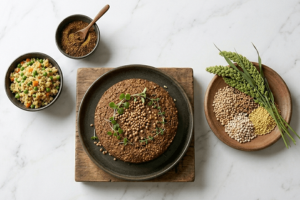
Why Millets Are the Future of Healthy Eating: Benefits, Nutrition, and Delicious Ways to Use Them
Introduction
In recent years, millets have made a remarkable comeback in kitchens across India and around the world. Once considered traditional grains consumed mainly in rural households, millets are now being recognized as “superfoods” due to their exceptional nutritional value and numerous health benefits.
As lifestyles become increasingly sedentary and health concerns such as diabetes, obesity, heart disease, and digestive disorders continue to rise, more people are searching for healthier alternatives to refined flour, polished rice, and processed foods. Millets offer a simple yet powerful solution.
These ancient grains are rich in fiber, protein, vitamins, minerals, and antioxidants, making them an excellent addition to a balanced diet. Whether you’re looking to lose weight, improve digestion, manage blood sugar levels, or simply eat healthier, millets deserve a place on your plate.
In this article, we will explore why millets are important, their health benefits, different types of millets, and how you can easily incorporate them into your daily meals.
What Are Millets?
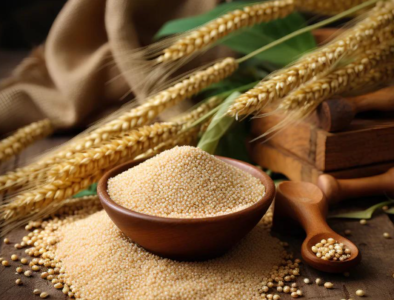
Millets are small-seeded cereal grains that have been cultivated for thousands of years. They are naturally gluten-free, highly nutritious, and can grow in harsh climatic conditions with minimal water requirements.
Some of the most commonly consumed millets in India include:
1. Ragi (Finger Millet)
Rich in calcium, iron, and fiber.
2. Bajra (Pearl Millet)
Known for its high protein and magnesium content.
3. Jowar (Sorghum)
A good source of antioxidants and dietary fiber.
4. Foxtail Millet
Excellent for blood sugar management.
5. Little Millet
Rich in minerals and easy to digest.
6. Kodo Millet
Known for its high fiber content.
7. Barnyard Millet
Low in calories and ideal for weight management.
Why Are Millets Important?
1. Nutrient-Dense Foods
Unlike refined grains that lose much of their nutritional value during processing, millets retain their natural nutrients.
Millets contain:
- Dietary fiber
- Protein
- Iron
- Calcium
- Magnesium
- Phosphorus
- Zinc
- B Vitamins
- Antioxidants
This makes them a complete and wholesome food for people of all age groups.
2. Sustainable for the Environment
Millets require:
- Less water
- Fewer chemical fertilizers
- Minimal pesticides
- Lower agricultural inputs
Compared to rice and wheat, millet cultivation is significantly more sustainable and environmentally friendly.
Choosing millets is not only beneficial for your health but also for the planet.
Health Benefits of Millets
1. Helps Manage Blood Sugar Levels
One of the biggest advantages of millets is their low glycemic index.
Foods with a low glycemic index release glucose slowly into the bloodstream, preventing sudden spikes in blood sugar levels.
This makes millets particularly beneficial for:
- Diabetics
- Prediabetics
- Individuals with insulin resistance
Replacing refined flour products with millet-based recipes can significantly improve blood sugar control over time.
2. Supports Weight Loss
If you are trying to lose weight naturally, millets can be a great addition to your diet.
Millets are:
- High in fiber
- Filling and satisfying
- Slow to digest
As a result, they help reduce hunger pangs and prevent overeating.
The high fiber content also promotes better satiety, helping you stay full for longer periods.
3. Improves Digestive Health
Modern diets often lack adequate fiber, leading to digestive issues such as:
- Constipation
- Bloating
- Indigestion
Millets are naturally rich in dietary fiber, which helps:
- Improve bowel movements
- Support gut health
- Encourage healthy digestion
Regular consumption can contribute to a healthier digestive system and improved overall well-being.
4. Strengthens Bones
Ragi, also known as finger millet, is one of the richest plant-based sources of calcium.
Calcium is essential for:
- Strong bones
- Healthy teeth
- Muscle function
- Nerve transmission
This makes ragi especially beneficial for:
- Growing children
- Pregnant women
- Elderly individuals
- Women after menopause
5. Promotes Heart Health
Heart disease remains one of the leading health concerns worldwide.
Millets contain:
- Magnesium
- Potassium
- Fiber
- Antioxidants
These nutrients help:
- Reduce bad cholesterol levels
- Improve blood circulation
- Maintain healthy blood pressure
- Lower the risk of cardiovascular diseases
Including millets in your daily meals can contribute to better heart health over the long term.
6. Naturally Gluten-Free
Many individuals suffer from:
- Gluten intolerance
- Celiac disease
- Wheat sensitivity
Millets are naturally gluten-free and serve as an excellent alternative to wheat-based foods.
From rotis and breads to cookies and cakes, millets can be used to create a wide variety of delicious gluten-free recipes.
Why Millets Are Better Than Refined Flour
Refined flour (maida) has become a staple ingredient in many processed foods.
However, excessive consumption of maida is associated with:
- Weight gain
- Blood sugar spikes
- Poor digestion
- Nutritional deficiencies
Millets offer a healthier alternative because they:
| Refined Flour (Maida) | Millets |
|---|---|
| Low fiber | High fiber |
| Highly processed | Minimally processed |
| Higher glycemic impact | Lower glycemic impact |
| Low nutrient density | Rich in vitamins and minerals |
| Less filling | More satisfying |
Choosing millet-based recipes can significantly improve the nutritional quality of your diet.
Delicious Ways to Include Millets in Your Daily Diet
Many people assume that healthy eating is boring. Fortunately, millets are incredibly versatile.
You can use them to prepare:
Breakfast
- Millet porridge
- Millet dosa
- Millet idli
- Millet pancakes
Lunch
- Millet khichdi
- Millet pulao
- Millet salads
- Millet rotis
Snacks
- Millet cutlets
- Millet crackers
- Millet chaat
- Millet energy bites
Baking
- Millet cookies
- Millet muffins
- Millet cakes
- Millet breads
Desserts
- Millet laddoos
- Millet puddings
- Millet kheer
The possibilities are endless.
Millets and Healthy Baking
One of the most exciting developments in modern cooking is the use of millets in baking.
Traditional baked products often contain large amounts of:
- Refined flour
- Sugar
- Unhealthy fats
By incorporating millets into baking, you can create healthier alternatives without compromising on taste.
Millet-based baked goods can provide:
- Better nutrition
- Higher fiber
- Improved satiety
- Enhanced flavor profiles
From cookies to muffins and healthy tea-time snacks, millets open up a world of nutritious baking possibilities.
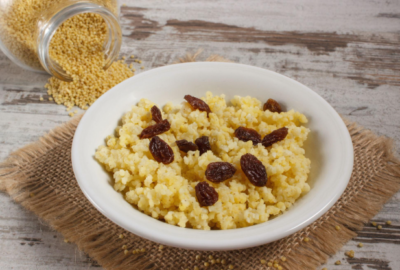
Learning Millet-Based Cooking the Right Way
While millets are incredibly nutritious, many people struggle with:
- Selecting the right millet
- Understanding cooking techniques
- Achieving the correct texture
- Creating tasty recipes
The secret lies in learning proper methods and recipes from experienced instructors.
At Khushboo Cooking Classes, we believe healthy food should be both nutritious and delicious.
Our specialized healthy cooking and baking sessions help participants learn:
- Millet-based snacks
- Healthy baking techniques
- Nutritious meal preparation
- Traditional and modern millet recipes
Whether you are a beginner or an experienced home cook, learning millet-based cooking can completely transform your approach to healthy eating.
Join Our Millet Journey
At Khushboo Cooking Classes in Gurgaon, we teach practical millet recipes that can be incorporated into everyday meals. Our Millet Journey program covers millet breads, healthy snacks, millet desserts, breakfast recipes and baking techniques suitable for beginners and experienced home cooks alike.
- Explore our Millet Journey Classes
- Healthy Baking & Cooking Courses
- Online Cooking Classes
- Offline Cooking Classes in Gurgaon
Conclusion
Millets are far more than a passing health trend. They represent a return to wholesome, nutrient-rich foods that support both personal health and environmental sustainability.
From improving digestion and supporting weight management to promoting heart health and better blood sugar control, millets offer benefits that few other grains can match.
The best part is that millets can be transformed into delicious everyday meals, snacks, baked goods, and desserts that the entire family can enjoy.
By learning the right techniques and recipes, you can make millets a natural part of your lifestyle and experience their benefits firsthand.
Start your healthy cooking journey today, discover the power of millets, and unlock a healthier future—one delicious recipe at a time.
Ready to learn healthy millet recipes? Explore our Millet Journey and Healthy Baking Courses at Khushboo Cooking Classes in Gurgaon for offline sessions and begin your transformation today.
Contact us on: 9999107475 / [email protected]
FAQS
Are millets better than wheat?
Millets contain more fiber and micronutrients than refined wheat flour.
Which millet is best for diabetes?
Foxtail millet and barnyard millet are often preferred due to their lower glycemic impact.
Can I use millet flour for baking?
Yes. Millet flour can be used for cookies, breads, cakes and healthy snacks.
Where can I learn millet cooking?
Khushboo Cooking Classes offers specialized Millet Journey classes online and offline in Gurgaon.